Pushing the Boundaries of Situational Awareness at REPMUS 2025: Our AI-Driven REA Journey
This September, we were proud to participate in REPMUS 2025 — Robotic Experimentation & Prototyping using Maritime Unmanned Systems — as part of the Rapid Environmental Assessment (REA) Working Group. Together with our partners at FullWave GeoConsulting, we provided software solutions that leveraged AI to accelerate the production of situational awareness and environmental maps for both field operatives and decision-makers at the command level.
REPMUS, hosted by the Portuguese Navy with NATO and partner nations, is one of the world’s largest multinational maritime innovation exercises. It brings together navies, industry, and academia to test the latest in unmanned systems, sensors, and decision-support tools in real operational conditions. Within this setting, the REA mission is crucial: rapidly collecting, fusing, and analysing environmental data to provide a clear, up-to-date picture of the maritime domain.
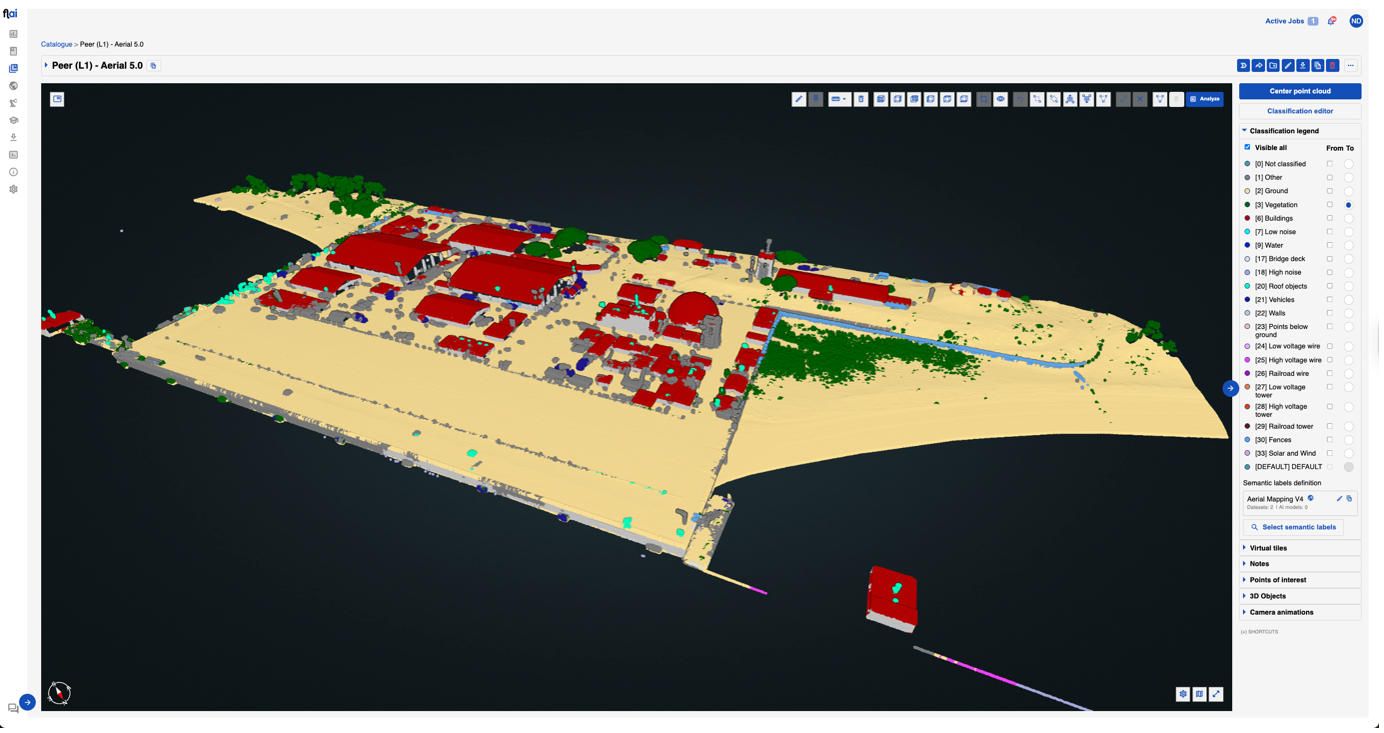
Our contribution focused on making this data actionable. By merging heterogeneous datasets from multiple sources, our software enabled a coherent and consistent picture of the environment to emerge. AI-driven analytics allowed us to process these large and diverse streams of data quickly, delivering results in near real-time. This meant that teams at sea could adapt to changing conditions with confidence, while commanders had access to concise summaries and predictive insights to guide strategic decision-making.
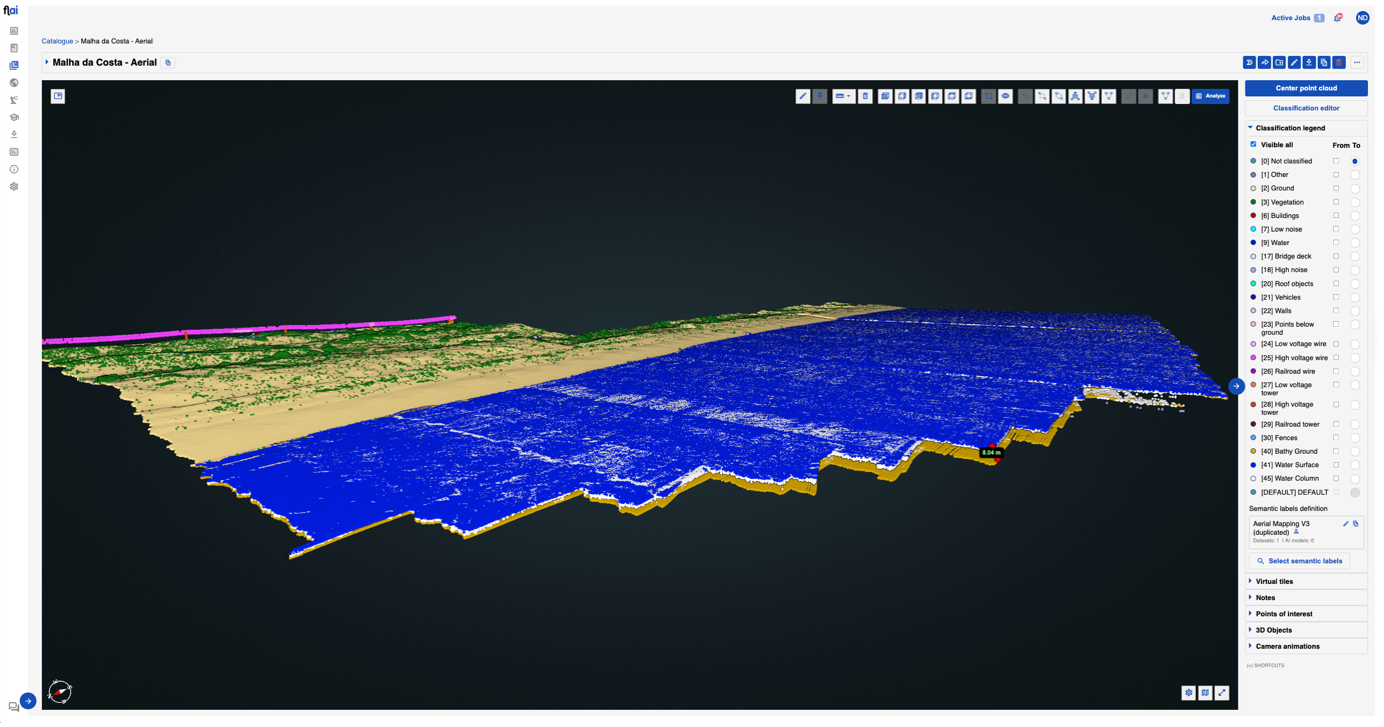
The exercise highlighted both the potential and the challenges of rapid environmental assessment. Working with diverse data sources means handling varying resolutions and uncertainties, all under the time pressure of an operational environment. Yet through the collaboration of the REA community, and thanks to our tools optimised for speed and interoperability, we demonstrated how AI can close the gap between sensing and decision-making.
For us, REPMUS 2025 was more than just a technical trial. It was proof that rapid, AI-driven environmental awareness is becoming a mission-critical capability for maritime operations. The ability to deliver accurate maps and actionable intelligence within hours, rather than days, strengthens the effectiveness of both unmanned systems and the teams that deploy them.